Phnom Penh, Cambodia, 2017
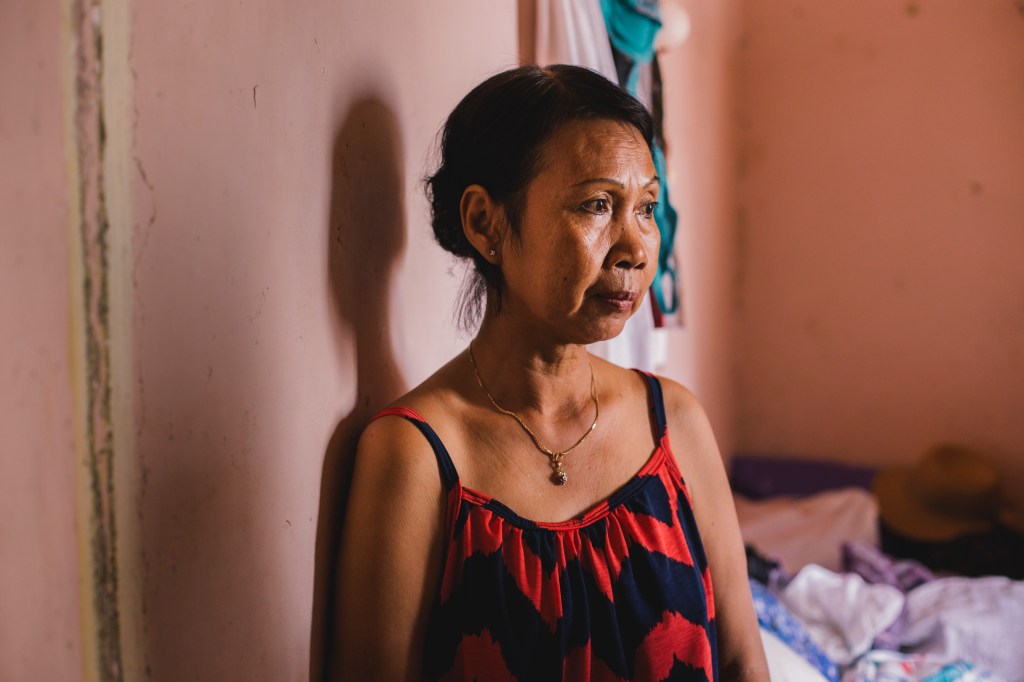
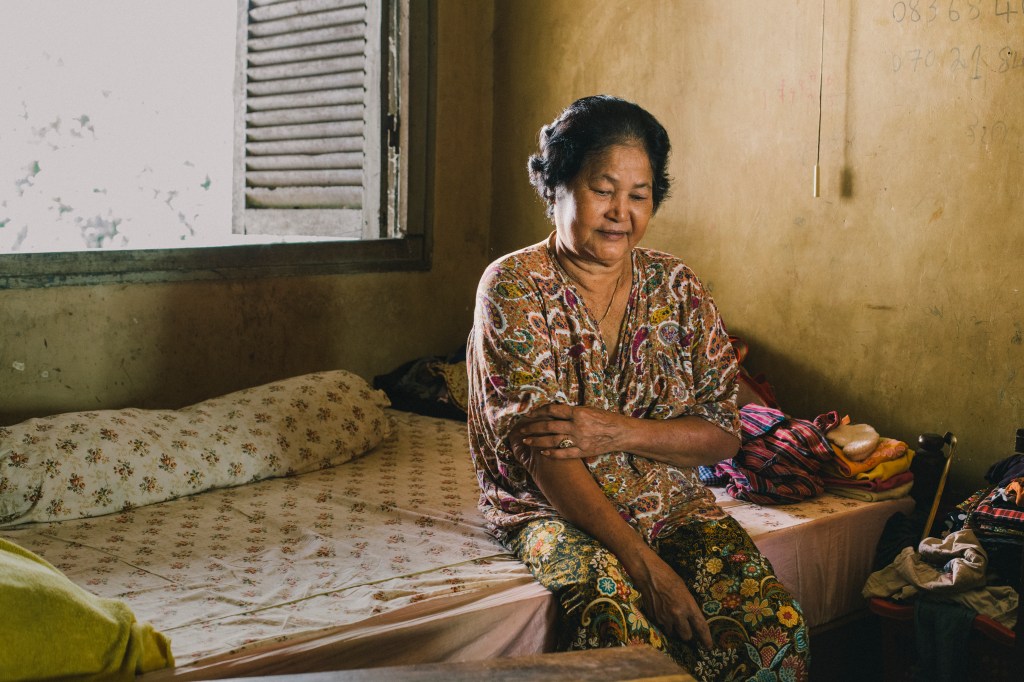
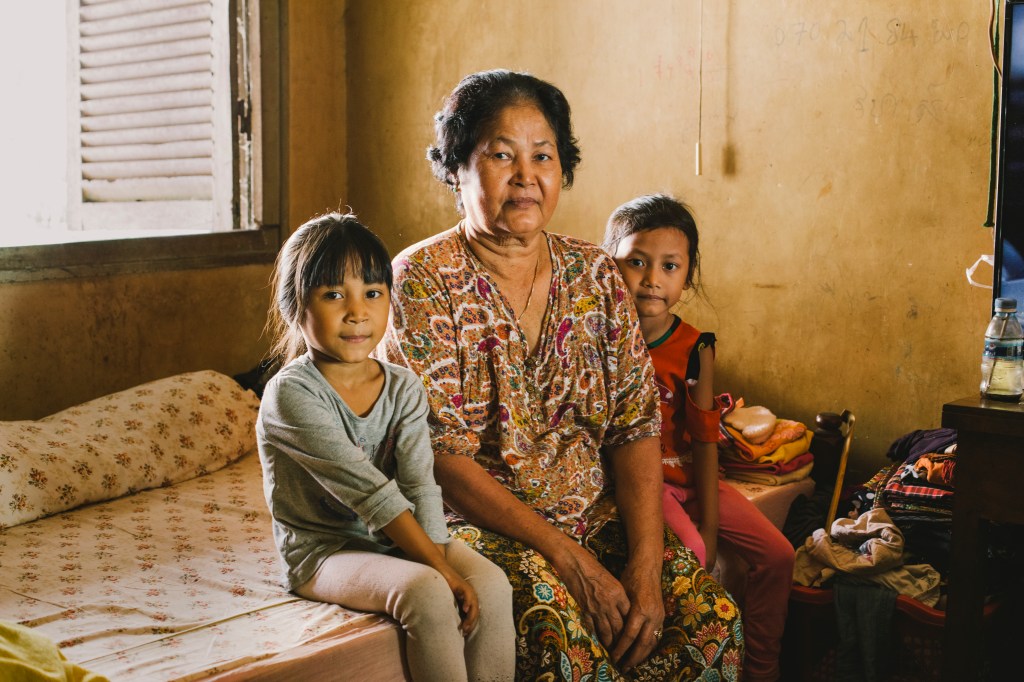
The White Building is a modernist concrete structure — a homage to Le Corbusier and testament to Prince Sihanouk’s vision of a new Cambodia post French colonial rule. But shortly after its completion Cambodia descended into a civil war, and then the Khmer Rouge arrived, murdering a quarter of its own citizens. Now a new threat has arrived in the form of Capitalism, soon it will be demolished to make way for new condominiums. At risk, its legacy, its history, and the stories of the people who have lived there for lifetimes.
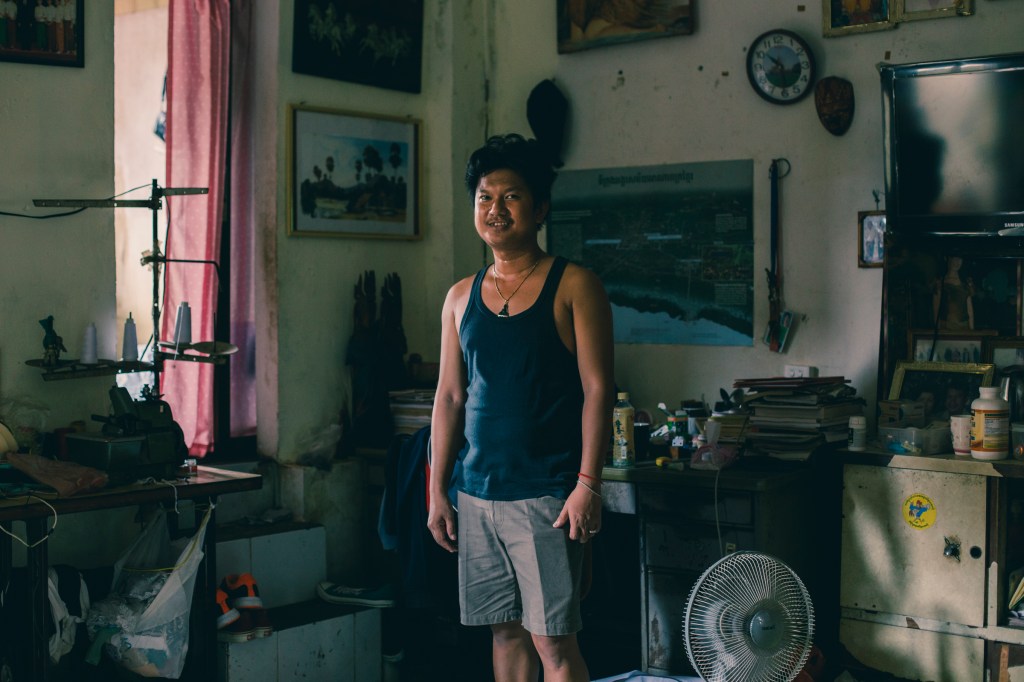
Nara is a resident in the ‘White Building’, Phnom Penh. His seamtress mother moved into the building 36 years ago, shortly after the fall of the Pol Pot regime. A pile of fabric is heaped on top of each other in the middle of the room, pictures of King Sihamoni adorn the walls. There are also paintings of bucolic scenes on the walls and he tells me he painted them during his days as a student at the Royal University of Fine Arts. We ask about a portrait of a beautiful young Khmer girl, he explains that his sister is a traditional Cambodian Apsara dancer. He tells me that his mother runs a thriving dress-making business with clients from within and outside the White Building. But soon they and all the other residents will be “moved on” (evicted) as the government finalises its plan for the site. The compensation they have been offered is too low to buy back into the Phnom Penh residential market. They are understandably apprehensive about what happens next.
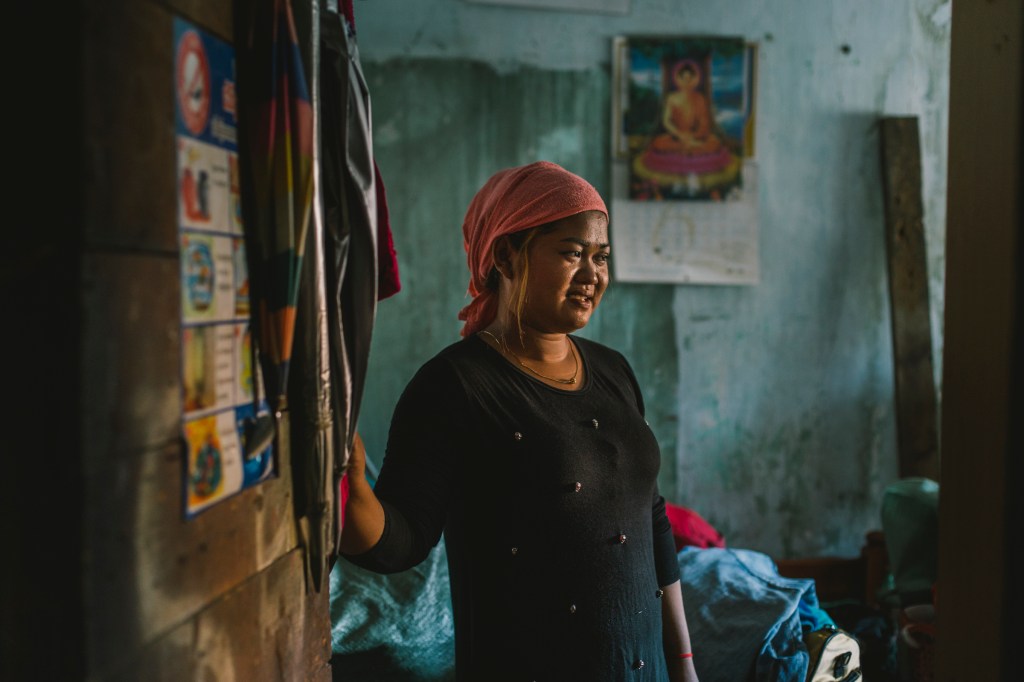
The corridors of the White Building are exceptionally dark, lit only by the light filtering in through apartments. The pools of light illuminate the walls, the peeling layers reveal a kaleidoscope of colours, each layer representing a period of history for the White Building. Standing in one of those pools of light is Panha, 22 years old. It’s Saturday morning and the majority of residents have moved out, their tenancies brought to an abrupt end. Panha seems unfazed, she explains that they are moving out by the end of the day to the outskirts of Phnom Penh. And so we leave her and her mother to pack away decades of memories.
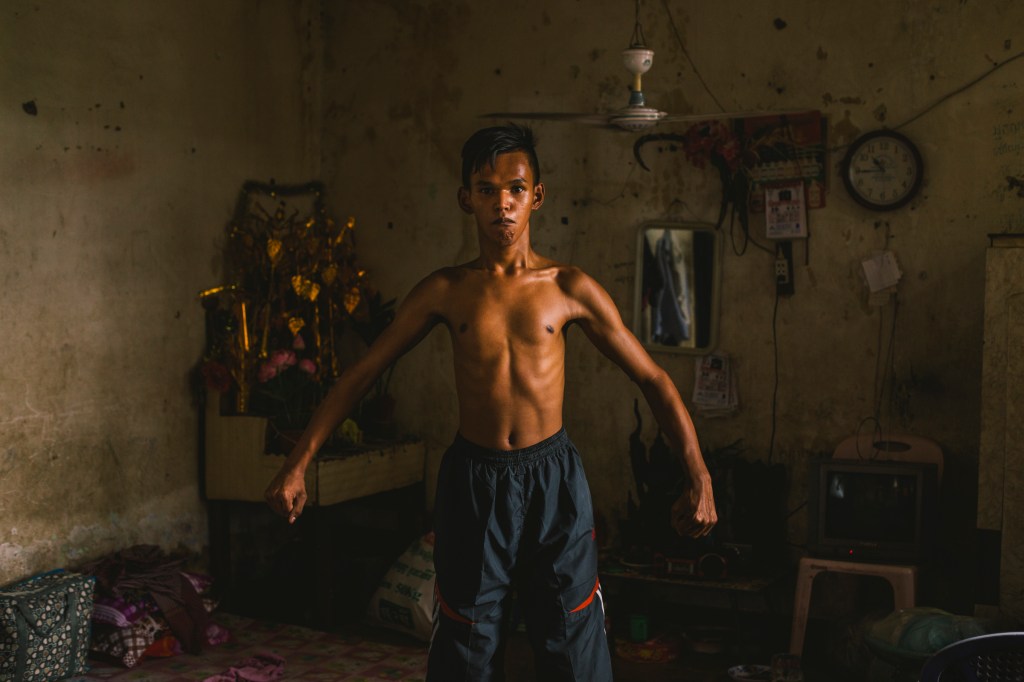
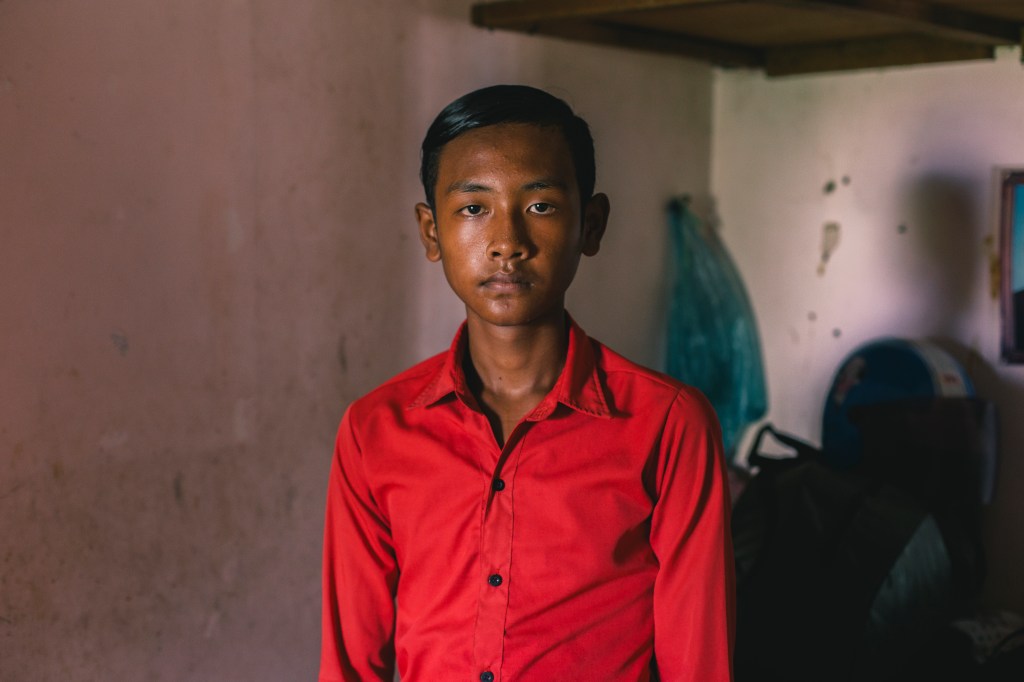
He looks at me with curiosity, and likewise I’m struck by his peculiar face and demeanour. Vanntha is a 17-year-old orphan and attends a local high school, but due to developmental and learning difficulties he is a few years behind his peers. He plays football and is apparently good at it, hence the ‘Ronaldo’ moniker. As I’m photographing him, Vanntha struggles to keep a straight face, he finds the whole situation rather amusing. We pause, but before we resume he suddenly puffs out his chest and holds out his arms as if to make himself larger. And on his face the most peculiar and remarkable expression.
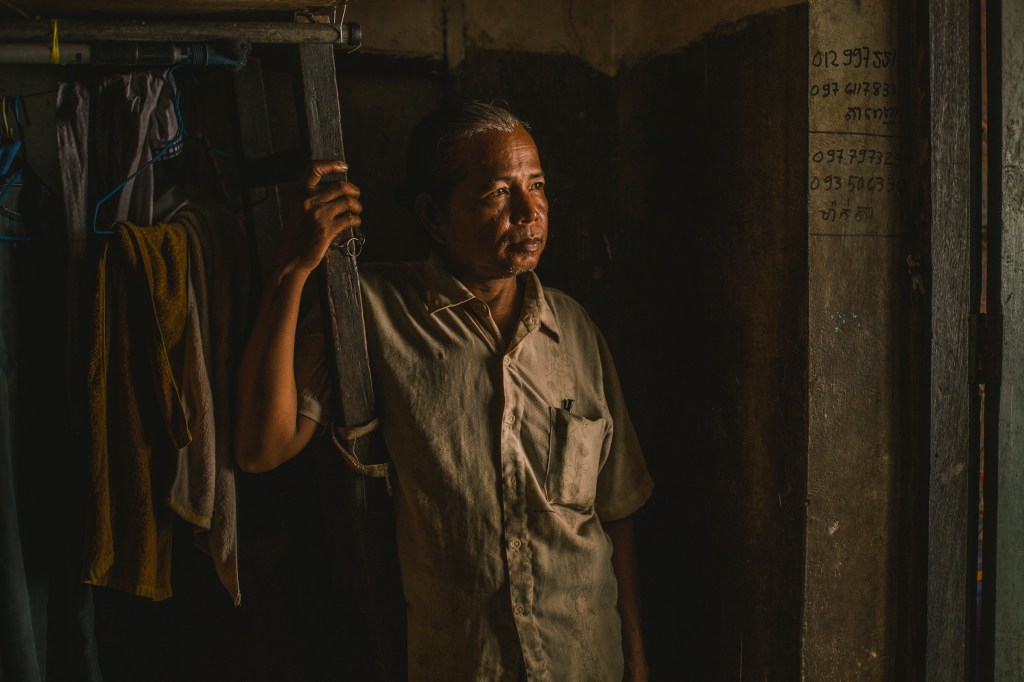
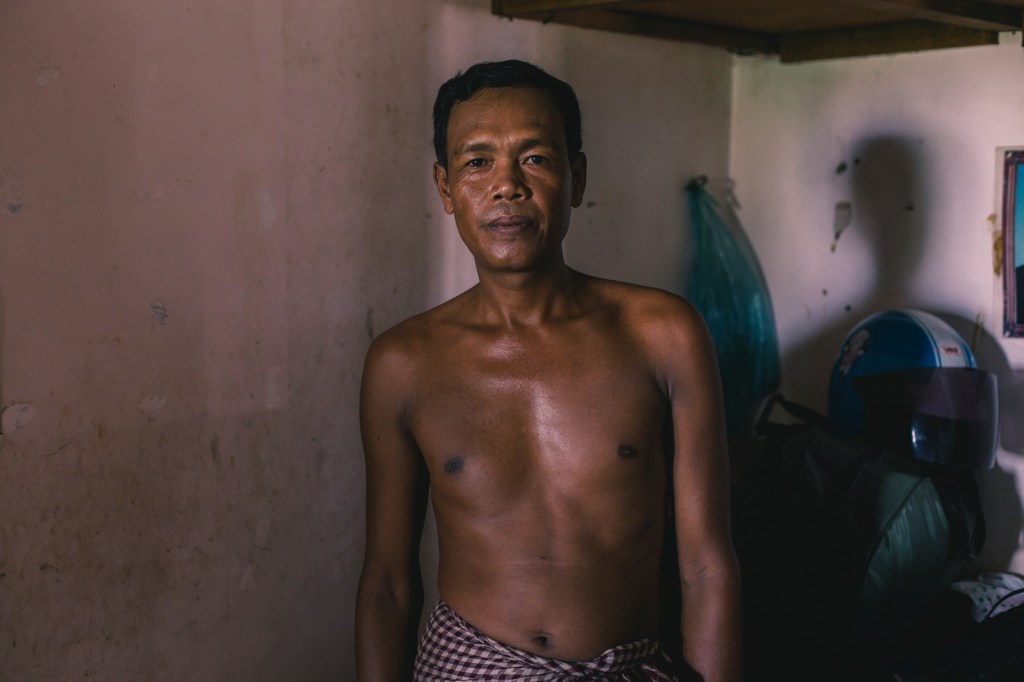
6th July 2017, a man walks anxiously outside the White Building. We approach him and discover he is one of the last remaining residents. His name is Dork Penh (59 years of age) and he lives with his niece and four other family members. He occupies a tiny flat on the ground floor, no more than 14 square metres. He’s holding out for a better deal, they have offered him approximately $10,000 compensation for his modest home, hardly enough to buy anything in the rest of Phnom Penh. He’s anxious because there are portly men in white collared shirts accompanied by a band of armed guards. These men approach and walk past with a suspicious gaze. In the distance, I hear residents arguing with the men. Meanwhile we ask Penh about his story. As a child, his father was a member of the ‘Red Sock’ brigade the official bodyguard unit of Prince Sihanouk. His mother was a dancer in the traditional arts and a jeweller, she inspired him to become a dancer too. He managed to survive the Khmer Rouge regime, and shortly after in 1979 he and many other artists were relocated to the White Building because it was located conveniently to the Bassac Theatre a Vann Molyvann designed building that was destroyed in a suspicious fire in the 1990s. Penh says his performing days are long over, 20 years in fact. Instead he has been working as a painter and bas relief sculptor. I look around and wonder where his studio is, he says he’s packed up everything. Throughout the conversation, I become increasingly fascinated with his long hair which is secured in a knot, which is rather uncommon for males in Cambodia. I ask him why his hair is long and tied up. He explains that he is descended from Hindu priests and that he occasionally performs Hindu ceremonies. As our conversation begins to wind down, I see him looking over at the men in collared shirts, his days at the White Building are numbered and he knows it. He makes a gesture to say goodbye, and begins slowly walking over to the men.


© 2017 De Sheng Lim All Rights Reserved.
 D.S. Lim Photography